
LP. Friend Feature | Jonathan Michael Castillo
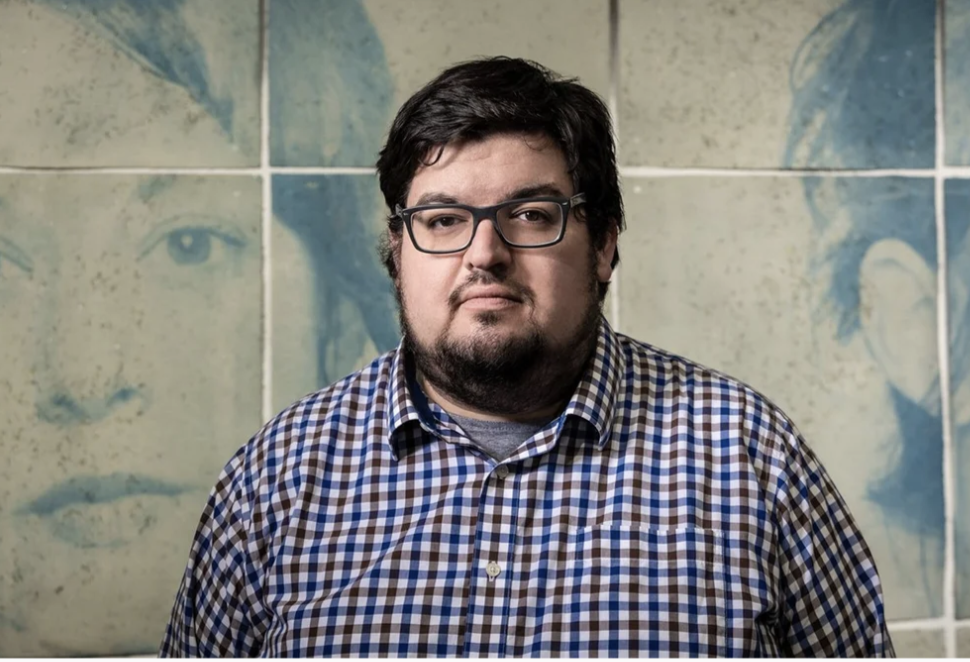
Artist, Guggenheim Fellow, and LP. Friend, Jonathan Castillo, interviewed by Marilyn and Larry Fields Curator at the MCA Chicago, Ionit Behar
📸 Photo by J. Daniel Hud
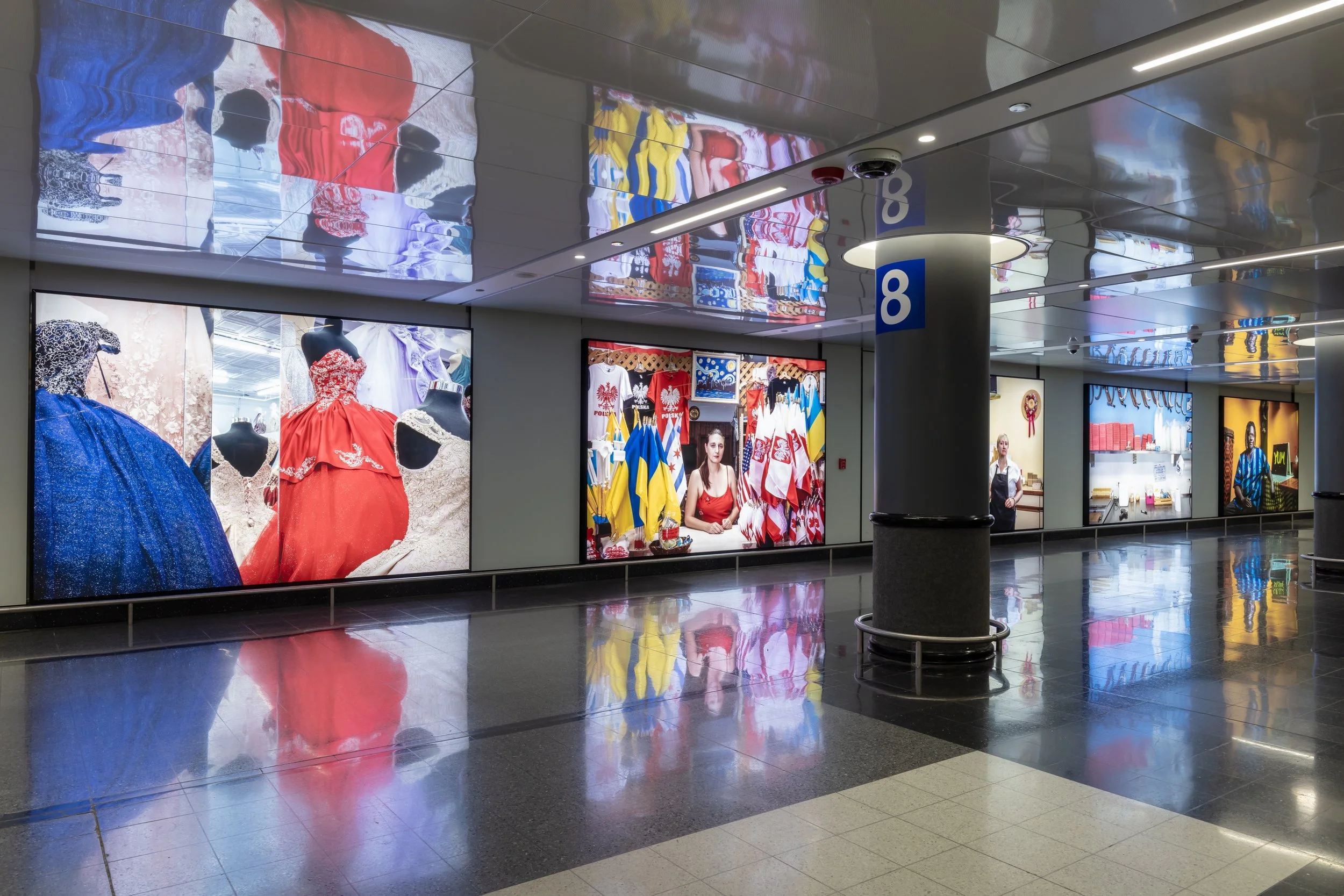
Ionit here! 👋 I first met Jonathan in 2021, when we were both involved in public art projects at O’Hare Airport through DCASE. Jonathan was developing his commission for the baggage claim area, while Andrew Schachman and I were curating and designing the commissions for the Terminal 5 arrivals corridor. Although we weren’t collaborating directly, we participated in site visits together and navigated many of the same challenges that come with creating ambitious public projects.
From the moment I met him, I was struck by Jonathan’s dedication to his work, as well as the way he combines a deeply social and political photographic practice with humor, generosity, and humility. His work is grounded in a profound commitment to the communities he photographs, and it does so without losing sight of the complexity, dignity, and individuality of his subjects.
Since then, I have followed his practice closely, visited his exhibitions, and supported his work whenever possible. I invited him to participate in a panel I organized at the DePaul Art Museum in conjunction with Christina Fernandez’s exhibition on Latinx photography in Chicago, and later the museum acquired his Immigrant Owned portfolio for the collection. It has been incredibly rewarding to witness the growth of his career over the years, and I continue to admire the integrity, empathy, and clarity that define his practice.
📸 Jonathan Castillo
Jonathan, in what ways has Chicago supported—or challenged—you as an artist, and how has the city shaped your work?
Chicago is one of the most supportive places I’ve ever existed as an artist outside of my school bubbles as a student. The larger Chicago arts ecosystem is so welcoming and accessible to me compared to Los Angeles that I can’t say it enough. Everything from the schools, the arts organizations and the city departments of cultural affairs, planning and developments and department of aviation have all helped me create a practice that works down from the individual shop owners who say yes to me when I ask to photograph their spaces all the way up to the municipal departments who’ve integrated my work into Chicago public spaces.
Having grown up in Los Angeles and lived in China before settling in Chicago, how have these different places shaped your practice and your sensibility toward space, community, and image-making?
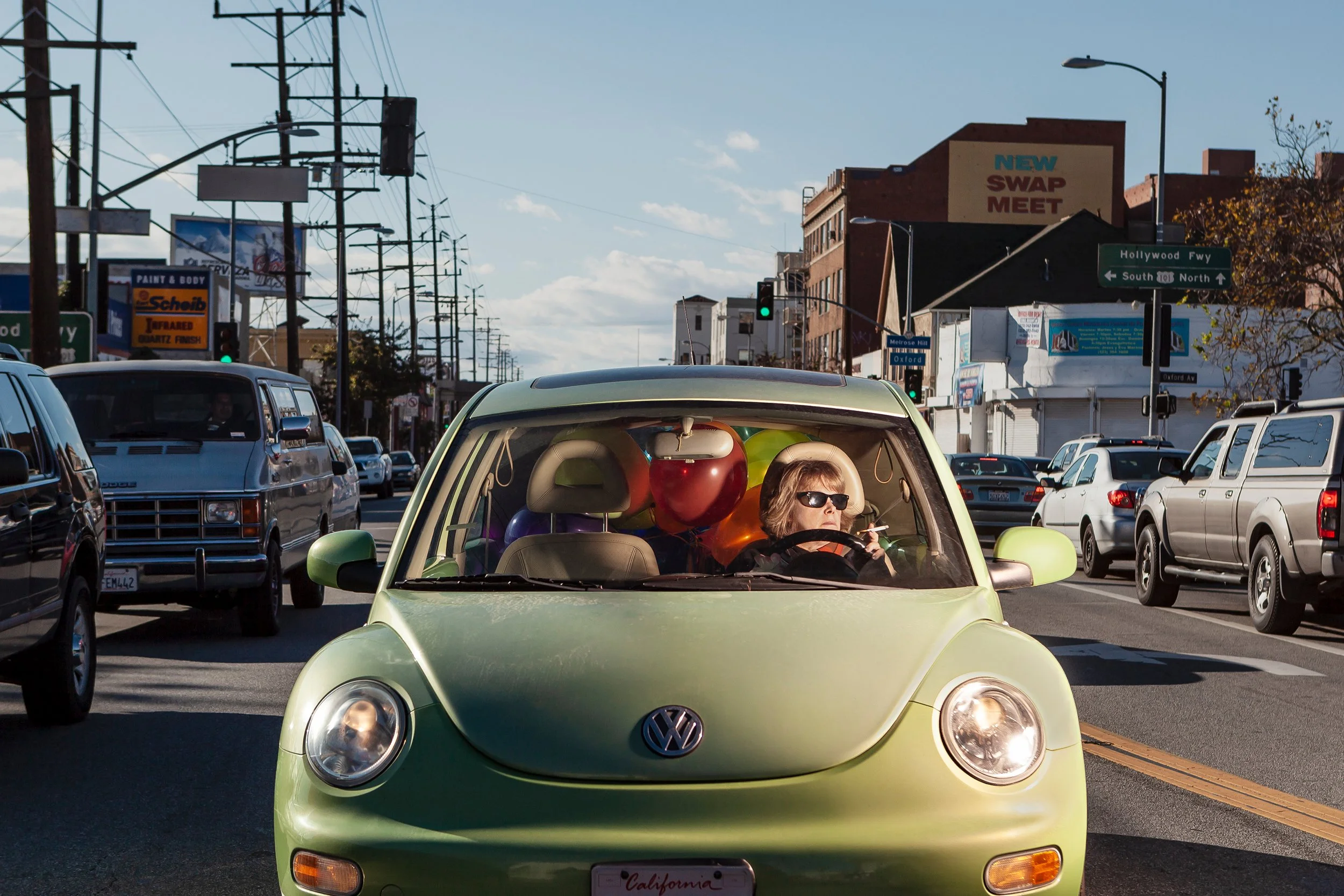
I think when I spend enough time in a place I start to see the larger issues I care about in the everyday life of wherever I am and that starts to show up in my images. The driving culture of Los Angeles shapes how you exist in that city and became an influence for my work when I lived there. In China I started making my earliest photos of small businesses and also started making work in Hong Kong at Chungking Mansions which is home to a vibrant diverse immigrant community. Living in cities where I would drive or take public transit shaped how I would interact with people. Living in a house in Los Angeles versus living in apartments in China and Chicago also changed my proximity to people. City density, modes of transportation, cultural diversity or homogeneity all influence how I experience a space. These different modes of existing would naturally put me in proximity to different people.

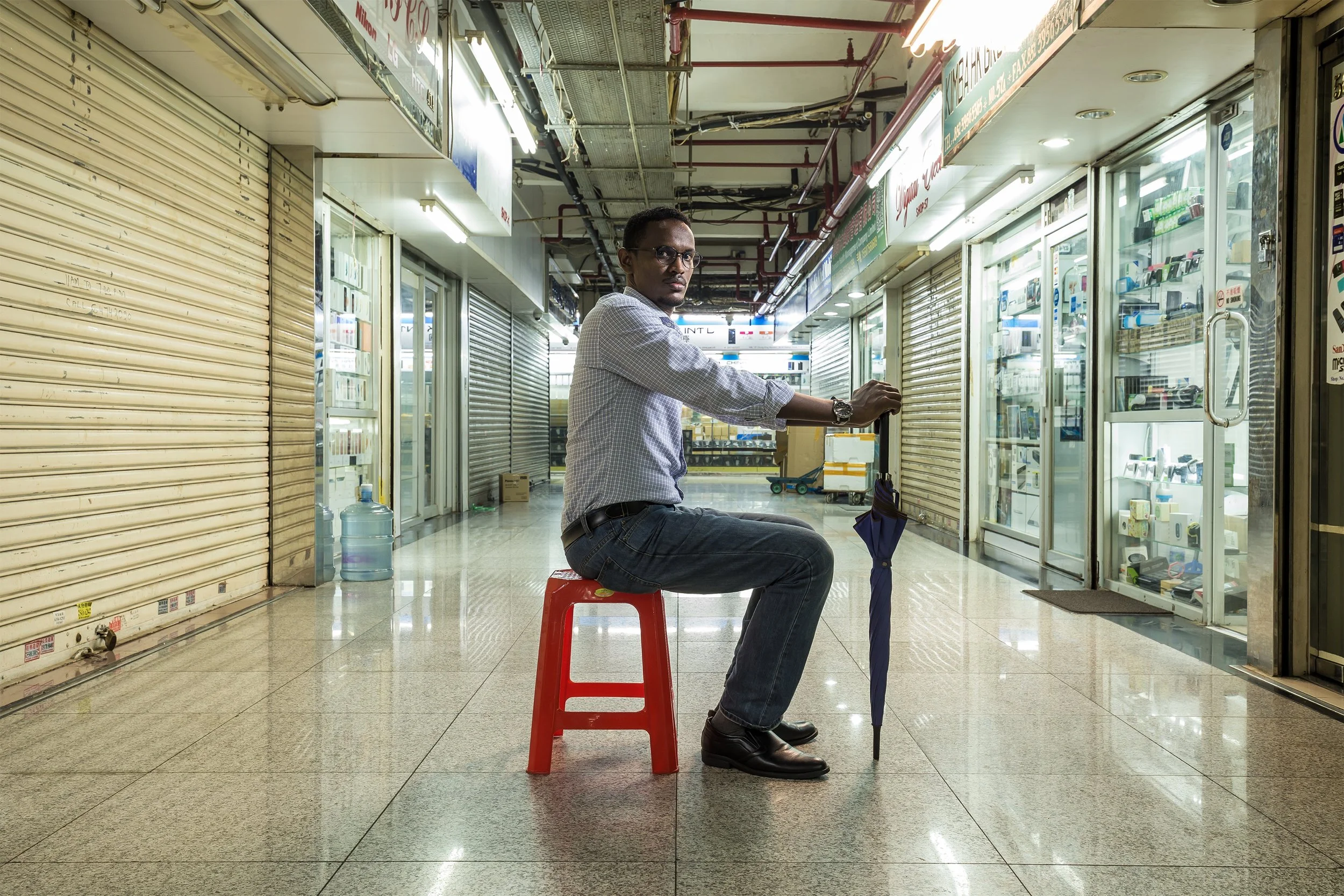
Can you share more about your recent project with public schools—how it came about, and what you’ve taken away from working in that context?
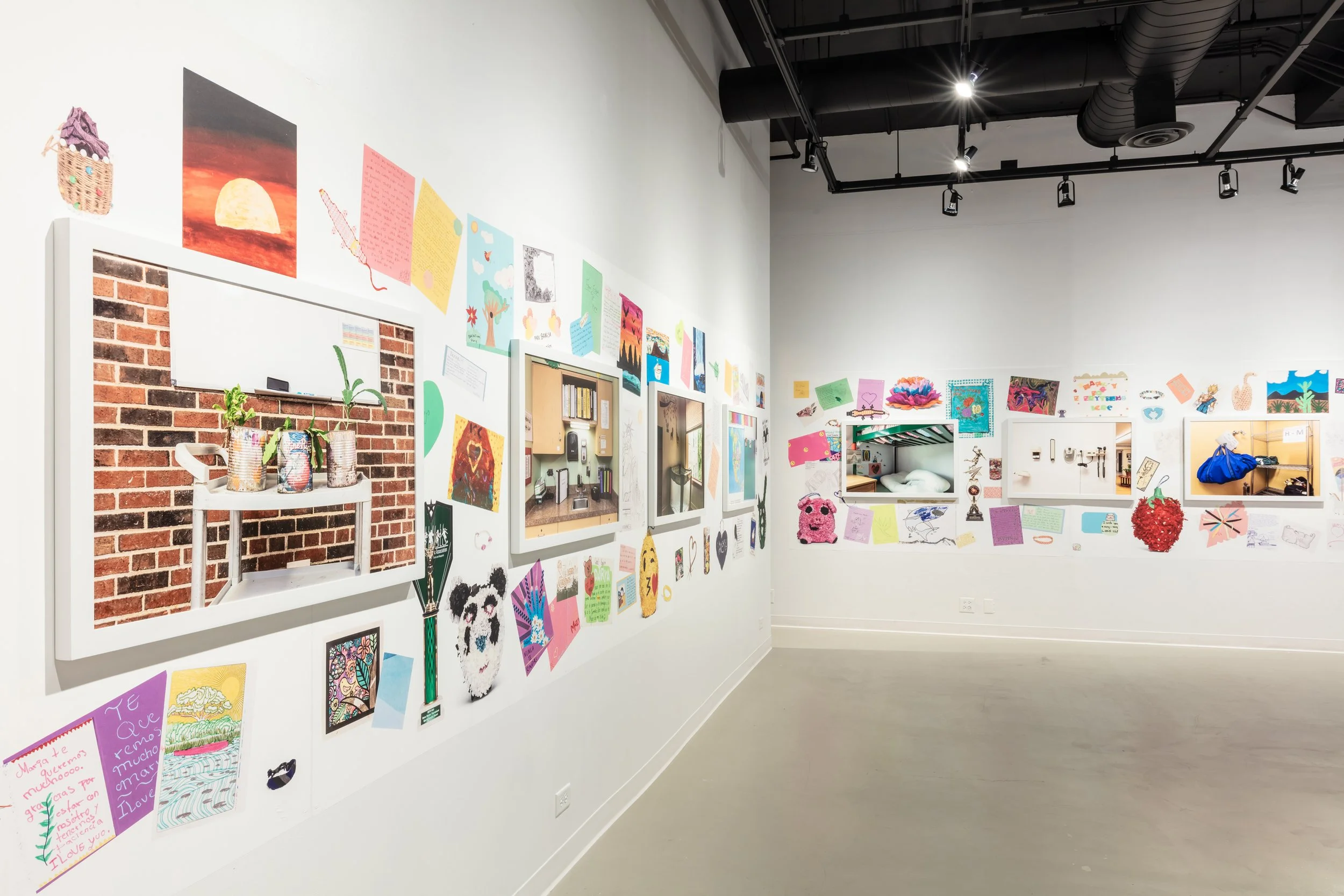
I started making work in the last couple of years in two Chicago Public Schools in Pilsen and Little Village. Benito Juarez Community Academy and Multicultural Arts High School. I did this through an artist residency with Artists in Public Schools which is a non profit which brings artists into CPS schools to make work and often do some form of arts education with students. I ended up making new work that had a lot more connections to my past work in Unaccompanied children’s shelters than I had initially imagined. As it turned out there was a direct connection in that there were high school kids who had come through the very same shelters in which I had photographed years before. Part of the project culminated in a showing of the work at EXPO Chicago where I showed handmade artist books that the kids had made alongside my photographs. The books recounted the immigration journeys of many of these students in the ESL classes at Multicultural Arts High School.
Congratulations on the recent recognition this year, including the Guggenheim and Artadia awards. How are you thinking about this moment in relation to your practice, and specifically to Immigrant Owned, which has been rooted in the Chicago area until now?
I’ve always made work about and in the cities in which I’ve lived but I’ve long thought about larger national or global issues as the inspiration for that work or my work as a proxy for those issues. Now I’m planning to expand my project Immigrant Owned across the country to other larger cities but also lots of places in between. I think the political moment and this stage of my practice have really aligned and are calling me to make this project my first national one.
How has your relationship to the LP. and other Chicago organizations, galleries, civic spaces, and collectives fostered engagement in your practice?
I came to one of the LP.’s salons awhile back and listened to an incredibly interesting group of people discuss the issue of gun violence. It was the kind of discussion you might only see as a panel at a university or some other kind of organization and the fact that it was happening in a smaller more intimate setting made it really interesting in that it broke down a lot of barriers between the audience and the people on the panel. I immediately knew I wanted to be part of one discussing immigration and after proposing it, the LP. put it together.
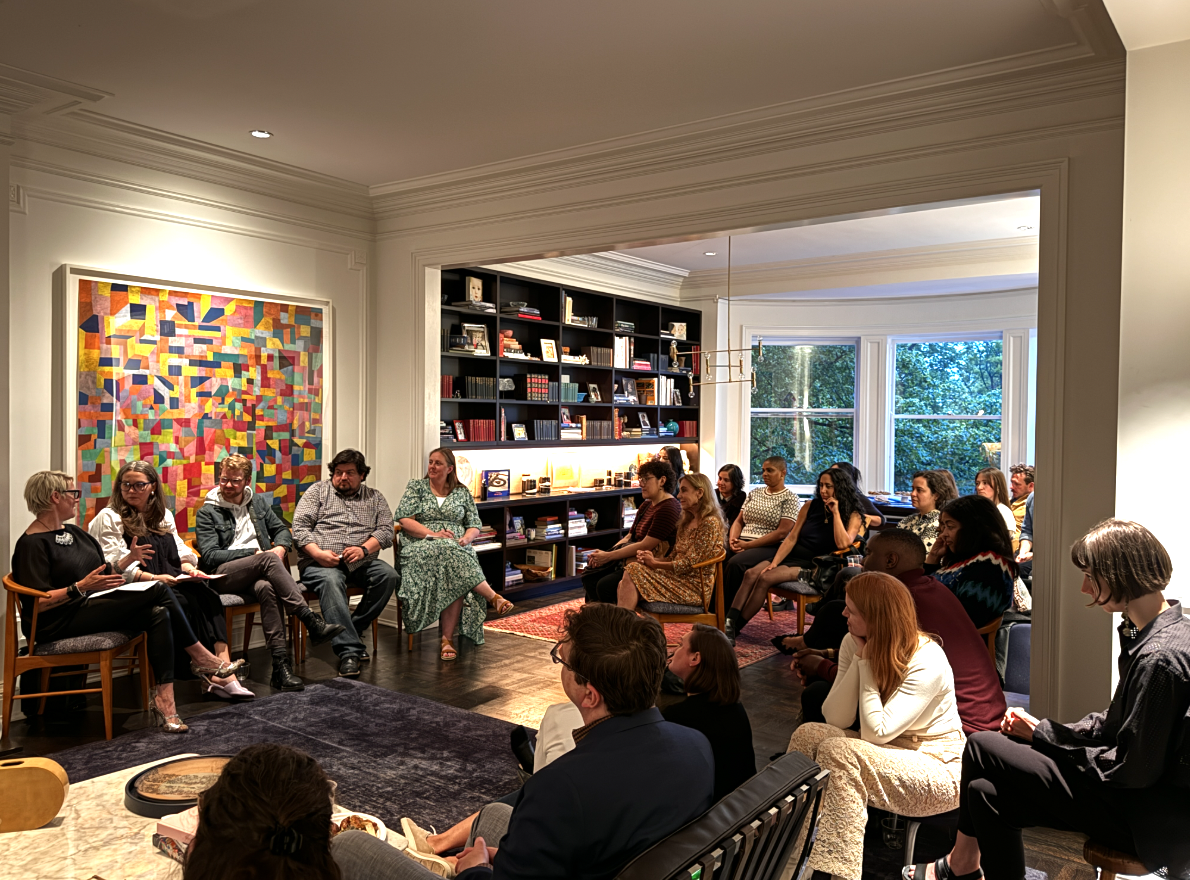
LP. Salon // Creating a Welcoming City: Art, Mental Health, and Mutual Aid
That’s where I met Meredith Dean who works at MAS with the ESL students and through my AiPS residency, I specifically sought out to connect the residency to MAS and do my second year of the residency there. Previously my Diane Dammeyer Fellowship at Columbia College Chicago was connected with Heartland Alliance and that helped me work with the UC shelters. My work in both airports and city hall have come about through public art commissions and collaborations with the Department of Cultural Affairs and Special Events, the Department of Planning and Development and the Chicago Department of Aviation. My work often comes about and is integrated with larger organizations and civic institutions, which have a lot of built in engagement outside traditional gallery or museum spaces. I’m always interested in finding ways to make work that can be engaged with in more public spaces.
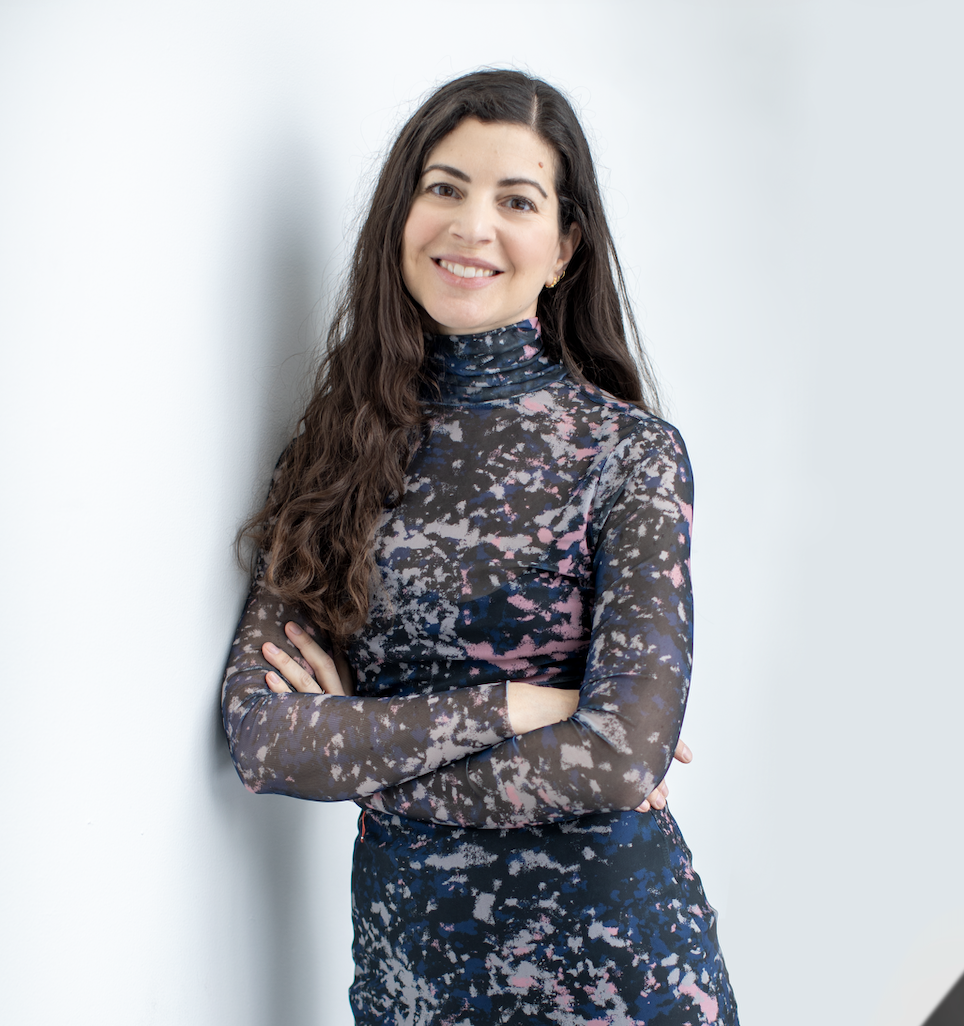
Interviewer, Ionit Behar
Ionit Behar is the Marilyn and Larry Fields Curator at the Museum of Contemporary Art Chicago. Previously, Behar was Curator at DePaul Art Museum, Chicago, where she organized solo and group exhibitions including Alice Tippit: Rose Obsolete (2026); Iñigo Manglano-Ovalle: A Want for Nothing (2025); Selva Aparicio: In Memory Of (2024); Life Cycles: DePaul Art Museum Collection (2023); A Natural Turn: María Berrío, Joiri Minaya, Rosana Paulino, and Kelly Sinnapah Mary (2022); Solo(s): Krista Franklin (2022); Claudia Peña Salinas: Quetzalli (2021); and LatinXAmerican (2021). Recent independent projects include Del Otro Lado (2023) at O’Hare International Airport; 50 años (marking 50 years since the military coup in Uruguay) (2023) at SUBTE, Montevideo; and Nelly Agassi: No Limestone, Nor Marble (2022) at the Chicago Cultural Center. She previously served as Curator of Collections and Exhibitions at Spertus Institute, Chicago, and as a Research Assistant for Hélio Oiticica: To Organize Delirium at the Art Institute of Chicago. Behar holds a Ph.D. in Art History from the University of Illinois at Chicago, an M.A. in Art History, Theory, and Criticism from the School of the Art Institute of Chicago, and a B.A. in Interdisciplinary Arts from Tel Aviv University.